The Women Empowerment Program of I Will Stand International is transitioning into an Ultra-Poor Graduation Model designed to help vulnerable women move from dependency toward sustainable, dignified, and independent livelihoods. The model builds on the organization’s experience in sewing training, savings groups, and women’s support programming, while introducing a clearer structure centered on ownership, accountability, entrepreneurship, and market-driven income generation.
Mission
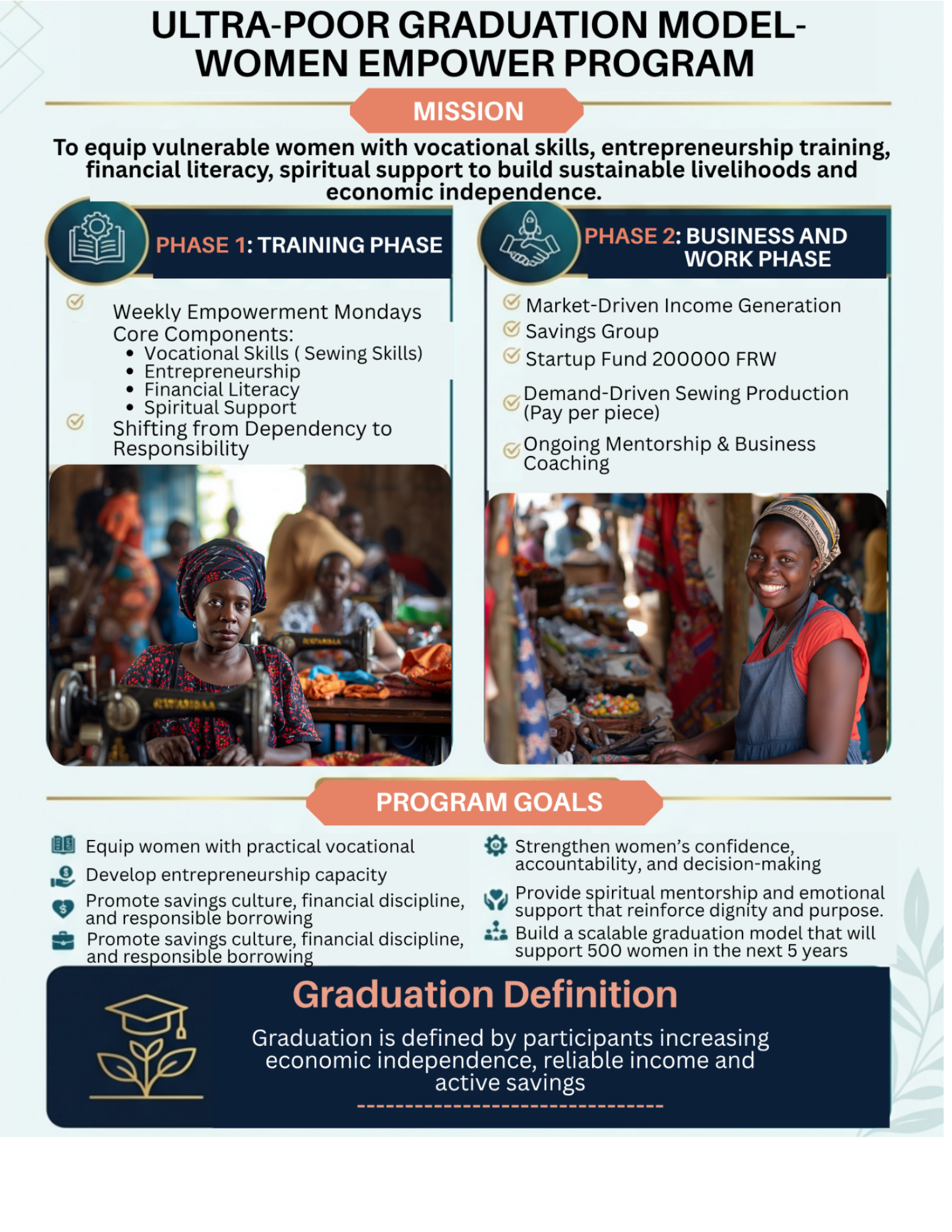
To equip vulnerable women with vocational skills, entrepreneurship training, financial literacy, mentorship, and spiritual support that enable them to build sustainable livelihoods, strengthen their families, and transition from dependency to economic independence.
Vision Statement
To empower at least 200 vulnerable women over the next five years through vocational skills, entrepreneurship, financial literacy, mentorship, and spiritual support, enabling them to build sustainable livelihoods, achieve economic independence, and create lasting transformation within their families and communities.
Program Goals
The program aims to:
- Equip women with practical vocational and income-generating skills
- Develop entrepreneurship and financial management capacity among participants
- Promote savings culture, financial discipline, and responsible borrowing
- Support women in starting and growing sustainable small businesses
- Create market-driven income opportunities through demand-based production
- Strengthen women’s confidence, accountability, and decision-making capacity
- Provide spiritual mentorship and emotional support that reinforce dignity, responsibility, and purpose
- Build a scalable graduation model that can support increasing numbers of vulnerable women over time
Program Structure
Program Phases
The program operates through two connected phases: a Training Phase and a Business/Work Phase. Together, these phases form a gradual pathway from learning and stabilization toward active income generation and economic independence.
Phase 1: Training Phase
The Training Phase focuses on building the foundational skills, mindset, discipline, and confidence necessary for long-term economic empowerment. During this phase, women participate in weekly Empowerment Mondays, which serve as the central platform for learning, accountability, and personal development.
The training phase integrates four core components: vocational skills development, entrepreneurship training, financial literacy, and spiritual support. These components are intentionally delivered together rather than separately because the program recognizes that sustainable transformation requires more than technical ability alone.
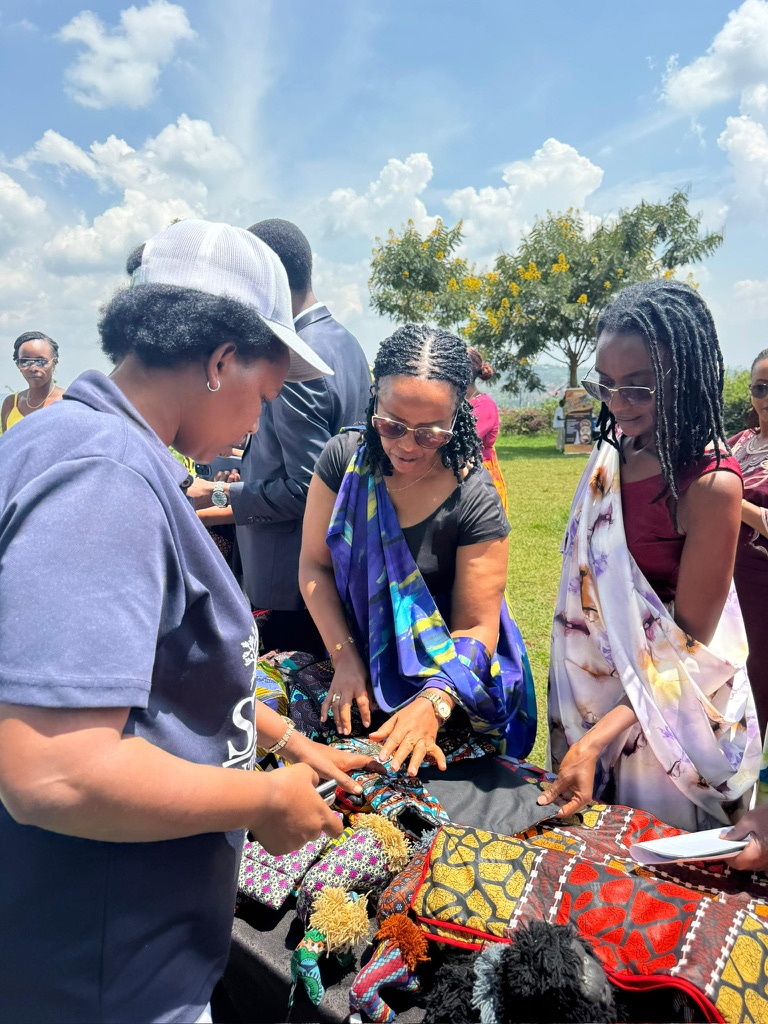
Vocational training currently focuses on sewing because of the existing experience and resources within the program. Women continue developing skills in producing items such as school uniforms, bags, pillowcases, and stuffed animals while improving quality, finishing, efficiency, and market readiness. However, sewing is not viewed as the only long-term pathway for empowerment. The pilot cohort will also help the program assess which vocational skills create the greatest long-term value and sustainability for women. Future cohorts may therefore integrate other vocational pathways depending on market demand and participant potential.
Alongside vocational skills, women receive entrepreneurship and financial literacy training designed to help them understand business principles, budgeting, pricing, customer care, profit tracking, and financial discipline. The goal is not simply to teach women how to produce products, but how to think and act like entrepreneurs capable of managing sustainable livelihoods.
Spiritual support remains a core element throughout the training phase. Weekly prayer, worship, scripture reflection, and mentorship reinforce values such as dignity, stewardship, responsibility, perseverance, integrity, and purpose. The program recognizes that many vulnerable women require emotional and spiritual restoration alongside economic support.
This phase is designed to gradually shift women away from dependency and toward personal responsibility, confidence, and readiness for independent income generation.
Phase 2: Business and Work Phase
The Business and Work Phase focuses on helping women apply their skills in real economic activities while receiving ongoing mentorship and support. Rather than creating artificial work opportunities, the program emphasizes market-driven income generation and business growth.
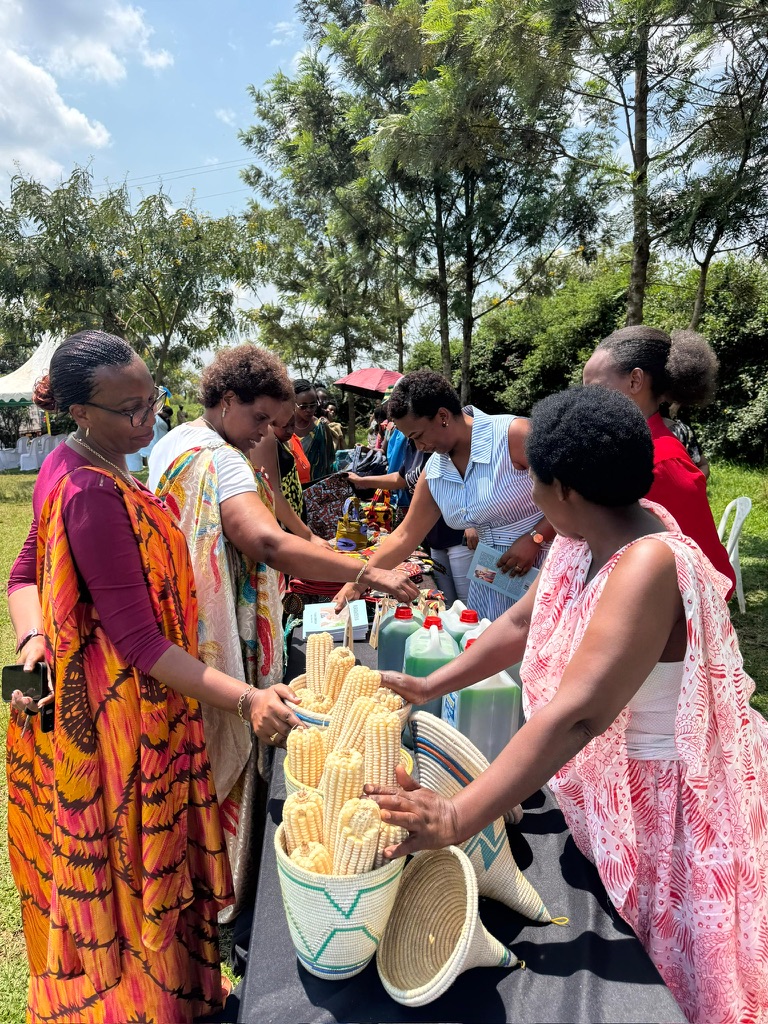
Women are supported to engage in income-generating activities through two main pathways. Some women continue strengthening existing businesses such as food vending, small trade, or other microenterprises. Others participate in vocational production opportunities linked to real market demand. Many women may eventually combine both approaches to create multiple income streams and greater household resilience.
The savings group becomes a central component during this phase by helping women access startup and business expansion capital. Women save regularly, access internal loans, and build financial discipline through peer accountability and group ownership.
Participants are encouraged to borrow from the savings group to invest in businesses such as vending, tailoring, food sales, or other income-generating activities. This approach allows women to gradually build businesses using internally managed capital rather than depending entirely on external grants or donations.
To strengthen the lending capacity of the savings group during the early stages, the organization will provide an initial starter fund of 200,000 RWF. If necessary, the organization may gradually increase the starter fund to ensure women are able to borrow meaningful amounts capable of supporting viable business growth and investment opportunities. However, the long-term goal is for the savings group to become increasingly self-sustaining through women’s own savings contributions, loan repayment, and accumulated interest.
The sewing production component operates on a demand-driven basis. Women are invited to participate when there are confirmed orders or business opportunities, such as school uniform contracts or customer requests for bags and other products. During production periods, women are compensated using a pay-per-piece system based on quality and output. This approach reinforces productivity, fairness, and the connection between effort and income while avoiding dependency on routine stipends.
Mentorship is a key component of this phase. Program staff and production supervisors continue walking alongside participants through coaching, accountability, business guidance, and problem solving. Women receive support in areas such as customer relations, stock management, pricing, business planning, reinvestment, and balancing multiple income activities.
Peer mentorship and group accountability are also strengthened during this phase, allowing women to learn from each other’s experiences and successes. The program seeks to create not only individual economic growth, but also a supportive community of women who encourage and strengthen one another.
Throughout the Business and Work Phase, women continue receiving ongoing spiritual support and mentorship to ensure that economic growth is accompanied by emotional resilience, discipline, and long-term stability.
Cohort Structure and Program Flow
The Ultra-Poor Graduation Model will operate through a cohort-based structure designed to ensure manageable implementation, personalized mentorship, and gradual program expansion.
Once a cohort completes the Training Phase and transitions into the Business and Work Phase, a new cohort of women is enrolled into the Training Phase. This creates an overlapping cycle that allows the program to continuously train new participants while still providing mentorship and business support to women in the second phase.
This cohort structure creates a gradual pipeline of empowerment:
- One cohort focuses primarily on learning and preparation,
- while the previous cohort focuses on business growth, production opportunities, savings, and income generation.
The overlapping model also strengthens peer learning and mentorship, as women in the Business and Work Phase can encourage and inspire newer participants entering the program.
Graduation Definition
Graduation within the program is not defined by completing training alone, but by demonstrating increasing economic independence and resilience. A woman is considered ready for graduation when she has developed reliable income-generating activities, active savings behavior, improved financial management skills, and reduced dependence on program support.
The long-term vision is to create a scalable women’s empowerment and graduation model that adapts to real economic opportunities and equips women with the tools necessary to sustain themselves and their families with dignity.
Program Staffing Structure
To effectively implement the Ultra-Poor Graduation Model during the pilot phase, the program will operate with a lean structure composed of one core technical staff position and two volunteer leadership roles. This approach helps maintain low operational costs while maximizing mentorship, skills transfer, and participant support.
1. Program Coordinator & Mentorship Lead (Volunteer Role)
The Program Coordinator & Mentorship Lead will serve as a volunteer leadership role responsible for overall coordination, participant follow-up, mentorship, and spiritual support within the program.
Key responsibilities include:
- Coordinating Empowerment Mondays and overall program activities
- Monitoring participant progress and attendance
- Providing mentorship, encouragement, and accountability
- Leading spiritual development sessions including prayer, scripture reflection, and personal reflection
- Supporting women through personal and business-related challenges
- Helping maintain a healthy and supportive group culture
- Supporting program planning, reporting, and evaluation
This role ensures consistent leadership, accountability, and personal support throughout the graduation journey.
2. Entrepreneurship, Savings & Business Development Lead (Volunteer Role)
This volunteer role focuses on entrepreneurship development, financial literacy, savings group management, and business mentorship.
Key responsibilities include:
- Teaching entrepreneurship and financial literacy lessons
- Training women in budgeting, pricing, savings, and profit tracking
- Managing and strengthening the savings group system
- Supporting internal borrowing and loan repayment processes
- Coaching women on starting and growing small businesses
- Helping participants use savings group loans to invest in income-generating activities
- Supporting market linkages and customer engagement
This role helps women transition from learning into active business ownership and sustainable income generation.
3. Vocational Skills & Production Leads (Existing Sewing Teachers)
The program’s two existing sewing teachers will serve as the Vocational Skills & Production Leads. They will continue teaching sewing skills while expanding their role to include production leadership, product innovation, and market-oriented design development.
Key responsibilities include:
- Conducting sewing and vocational skills training
- Teaching quality improvement, finishing, and production techniques
- Creating and teaching new styles and product designs based on market trends and customer demand
- Organizing women during production periods
- Monitoring product quality and production timelines
- Supporting women in improving efficiency and productivity
- Tracking technical growth and production performance
- Helping ensure products remain attractive, practical, and market-ready
These roles are essential for ensuring that vocational training remains dynamic, creative, and responsive to changing market opportunities.
Annual Program Budget
- 2 Cohorts per Year
- 20 Women per Cohort
- 40 Women Supported Annually
This annual budget supports the implementation of the Ultra-Poor Graduation Model through vocational skills development, entrepreneurship and financial literacy training, spiritual mentorship, savings group strengthening, and demand-driven income generation activities.